The Bay of Somme
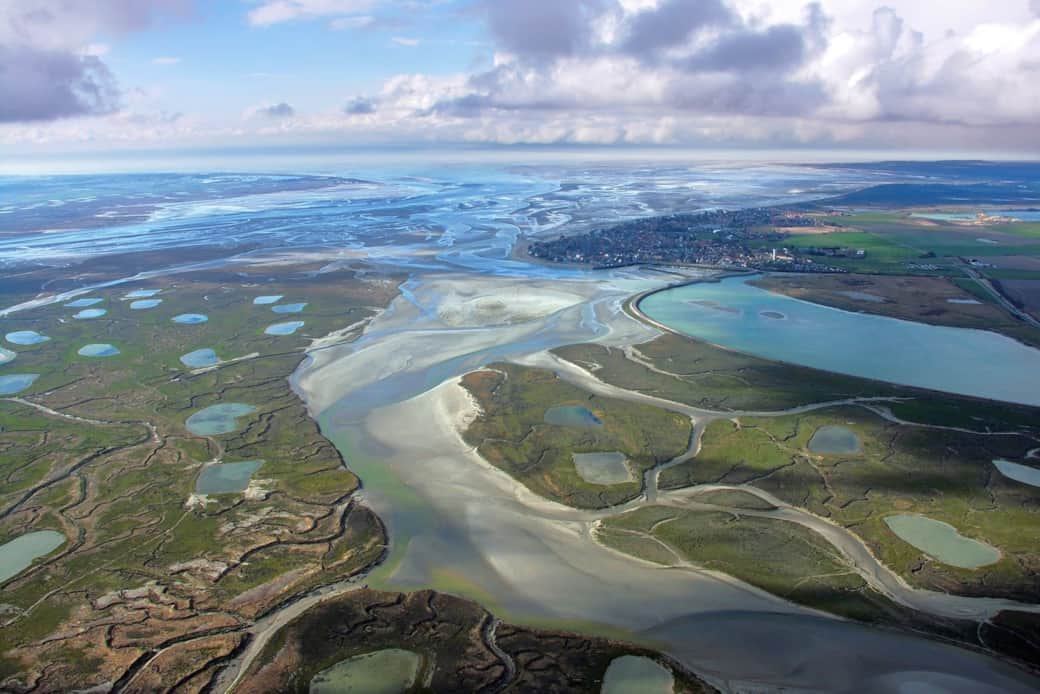
Ranked among the most beautiful bays in the world, alongside San Francisco and Halong Bays, the Bay of Somme is an exceptional natural site.
Cinemascope landscapes, a sense of being at the end of the world: cliffs, sand, dunes, pebbles, and marshes follow one another and complement each other to create an extraordinary landscape, far from the concrete coastlines.
Here, the sky and the sea merge. Here, it is said that the light changes every moment. So do the colors. The Bay of Somme has always been an inexhaustible source of inspiration for painters and writers: from Degas to Corot, from Jules Verne to Colette…
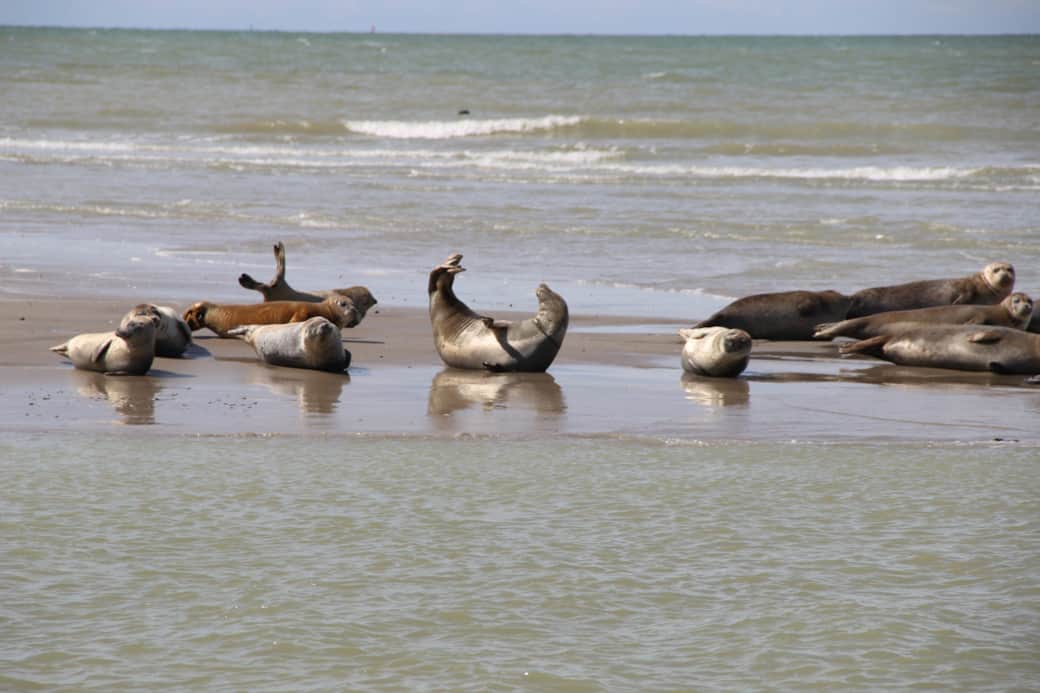
Thousands of migratory birds have found refuge here. France's largest colony of harbor seals has taken up residence here.
The Bay of Somme was designated a "Grand Site de France" on June 15, 2011, by the Ministry of Ecology, Sustainable Development and Planning.
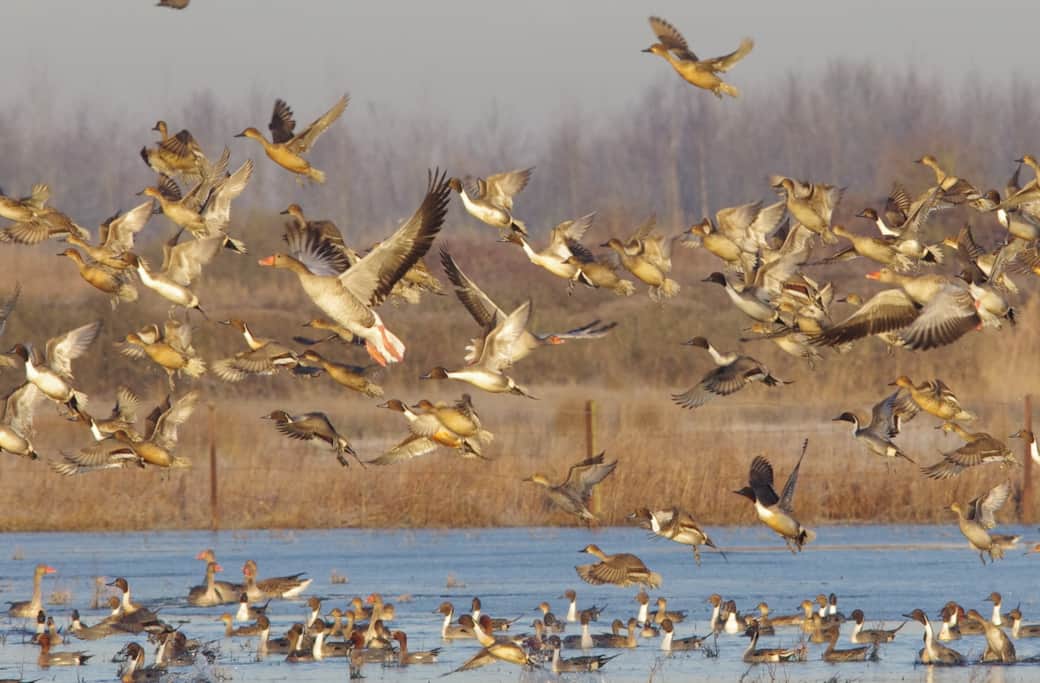
The Bay of Somme is now internationally recognized for its ecological richness; it is notably considered a major ornithological destination thanks to the richness of its habitats, which provide favorable conditions for both resident and migratory birds.
This richness led to the creation, in its northern part (at the mouth of the Maye), of a national hunting reserve in 1968, transformed into a nature reserve (with boundary modifications) in 1994, the Baie de Somme National Nature Reserve, of which the Marquenterre Park is a part.
The Bay of Somme is also renowned for the presence of seals, which should not be approached:
- Harbor seals: population increasing, with numbers exceeding 100 in 2006 and 2007, 150 in 2009 and 2010, 190 in 2011, and 550 in 2016;
- grey seals, increasingly numerous.
It is also a resting and feeding place for waterbirds (mallards, wigeons, teals, gadwalls, etc.) as well as waders (snipe, curlews, oystercatchers, lapwings, etc.), making the bay a hunting ground for waterfowl.
Finally, it is an area of exceptional biological productivity (although declining, particularly for cockles and fish), like the nearby Bay of Canche.